REAL TACKLE. REAL WATER.Baits & Lures
See the gear before you fish it. Real photography, practical rigging, and fast on-the-water reference.
Live bait, bait care, hook placement and lure selection organized for fast use on the water.
Always verify species, bait-collection, gear, area and seasonal regulations before collecting or using bait.
Scaled Sardine / Pilchard
Best use: Inshore, reef edges and offshore live-bait presentations
How to get it: Small mesh cast net where lawful, or sabiki around visible schools
Keep it alive: Round/circular livewell with strong aeration; avoid overcrowding
Hook placement: Nostrils for slow movement; shoulder/back for controlled swimming; belly/anal area only when a deeper presentation is intentionally needed
Typical targets: Snook, jacks, mackerel, snapper, mahi-mahi and other predators where present
Threadfin Herring
Best use: Reef edges, channels and offshore live bait
How to get it: Sabiki or lawful cast-net methods around schools
Keep it alive: Very delicate—high oxygen, gentle handling, low crowding
Hook placement: Light-wire circle hook through nostrils or upper back without hitting spine
Typical targets: Mackerel, snapper, jacks, mahi-mahi and pelagic predators
Ballyhoo
Best use: Trolling, drifting and live-bait fishing
How to get it: Sabiki, small hooks/chum, or lawful net methods
Keep it alive: For live use, excellent aeration and gentle handling; for rigged bait, chill immediately
Hook placement: Live: nostril/upper jaw area; trolling: properly rigged through head/beak area
Typical targets: Mahi-mahi, wahoo, tuna, billfish and mackerel
Mullet
Best use: Mangroves, channels, beaches and passes
How to get it: Cast net only where lawful; hook-and-line alternatives where required
Keep it alive: Strong bait but still needs oxygen and clean water
Hook placement: Nostrils for natural swimming; upper back for more resistance; tail area for directional presentation
Typical targets: Snook, tarpon, jacks, barracuda and larger predators
Live Shrimp
Best use: Mangroves, docks, flats, channels and reef edges
How to get it: Purchase or collect only by lawful methods and seasons
Keep it alive: Cool, oxygenated water; do not overcrowd
Hook placement: Horn/rostrum area avoiding brain, tail fan for casting, or weedless through body depending presentation
Typical targets: Snapper, snook, jacks, permit-type species and many reef/inshore fish
Small Legal Baitfish
Best use: Heavy live-bait applications
How to get it: Hook-and-line only when species, size and use are legal
Keep it alive: Large livewell and strong flow
Hook placement: Heavy circle hook through nostril or upper back
Typical targets: Large predators; verify bait-species legality before use
Topwater Walkers & Poppers
When: Low light, feeding activity, shallow flats, reef edges and surface strikes
Presentation: Walk-the-dog, pauses, or controlled pops; slow down after missed strikes
Tackle note: Medium to heavy tackle depending lure/target; leader matched to abrasion/teeth
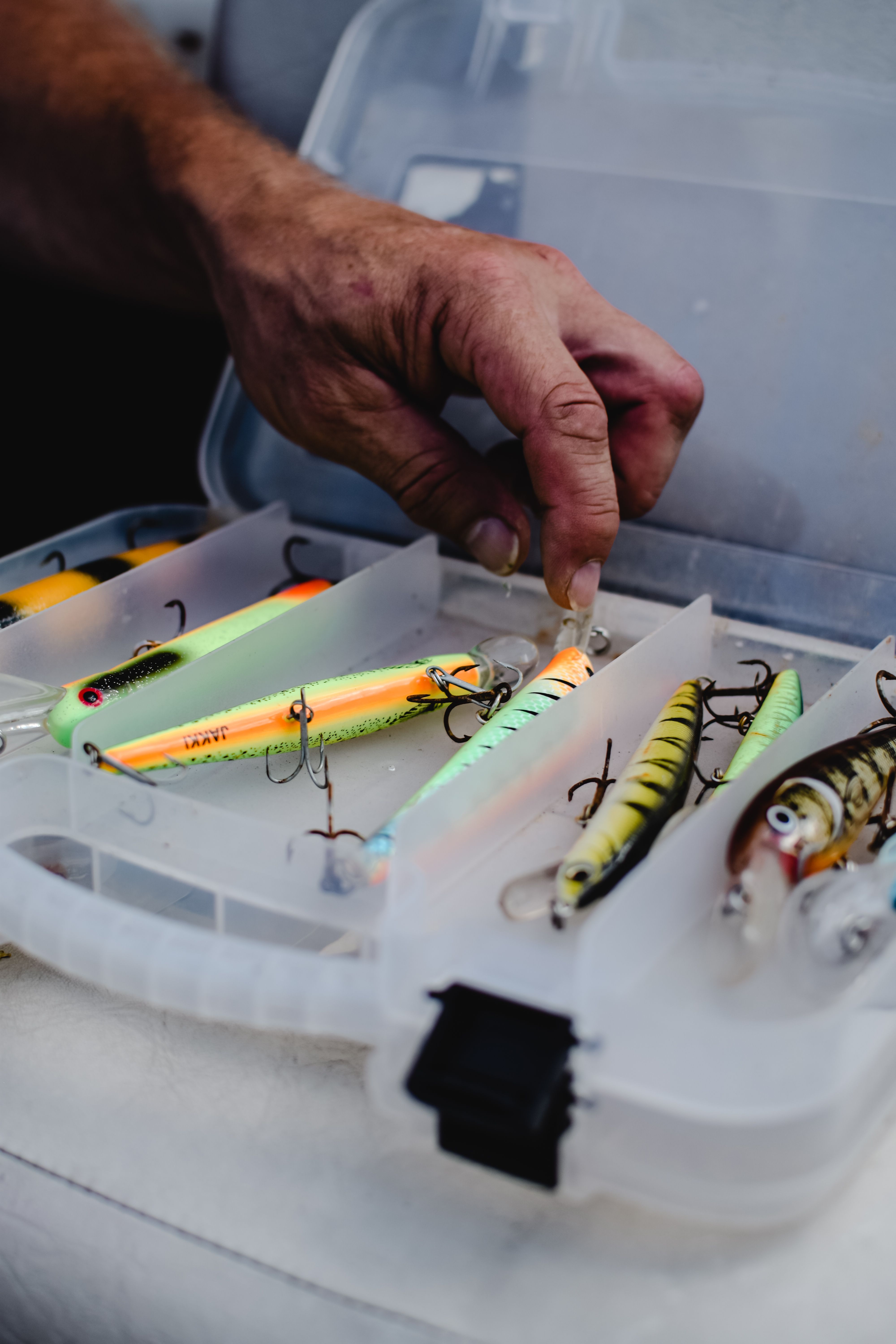
Suspending / Diving Minnows
When: Mangrove edges, channels, reef edges and baitfish schools
Presentation: Steady retrieve with twitches and pauses; select diving depth to stay near fish without constantly hitting structure
Tackle note: Match lure weight to rod; fluorocarbon/mono leader as conditions require
Soft-Plastic Paddle Tails
When: Universal search bait from flats to deeper edges
Presentation: Steady swim, lift-drop, or slow roll near bottom
Tackle note: Jighead weight only heavy enough to maintain depth/control
Bucktail / Hair Jigs
When: Current, channels, passes, structure and deeper water
Presentation: Hop, sweep or swim; keep contact without excessive snagging
Tackle note: Leader abrasion resistance is important near reef/structure
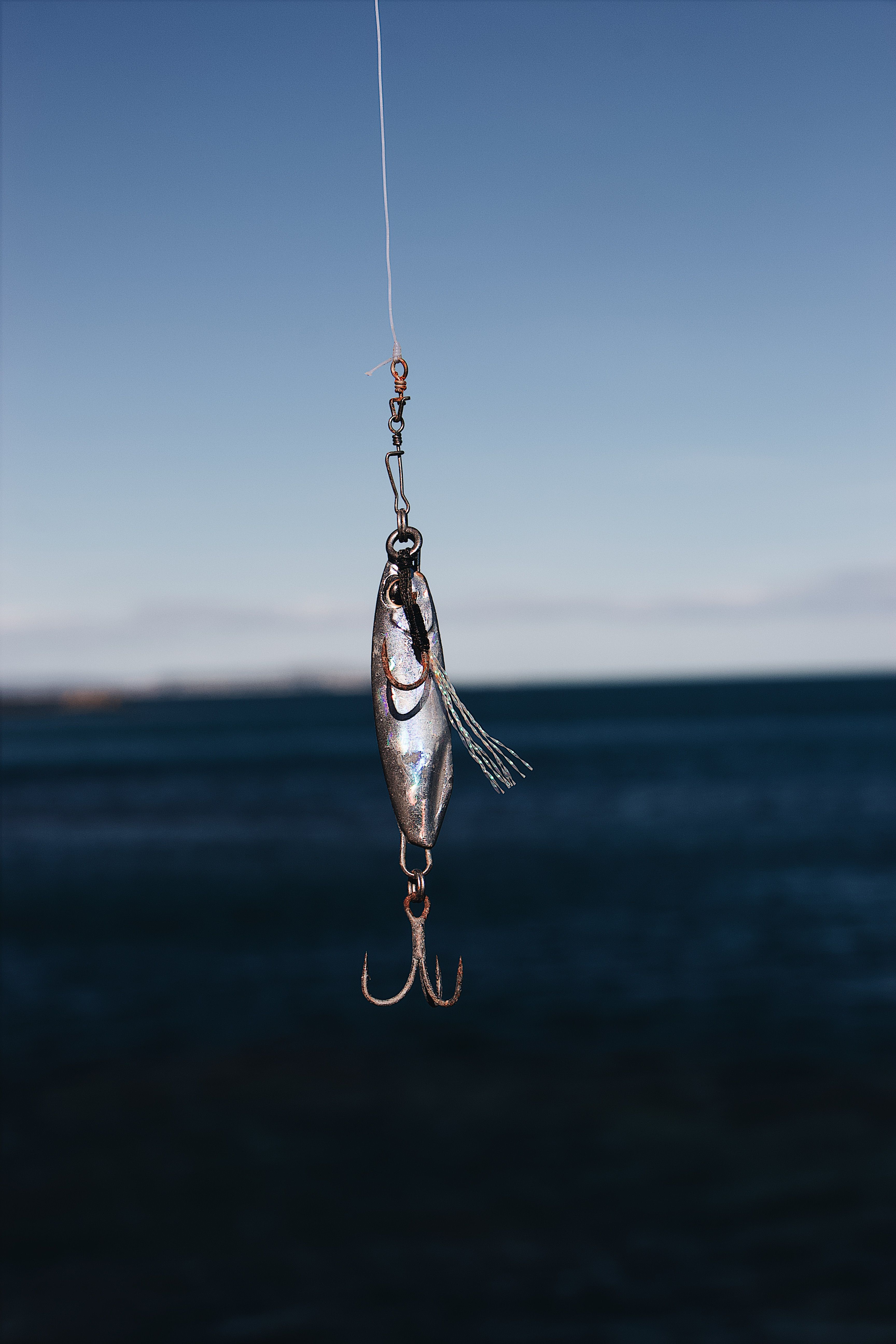
Metal Casting Jigs
When: Fast-moving schools, shore casting and pelagic activity
Presentation: Fast retrieve, sweep-and-fall, or varied cadence
Tackle note: Use strong split rings/hooks and inspect after hard fish
Vertical / Slow-Pitch Jigs
When: Deep reef, ledges and offshore structure
Presentation: Vertical cadence matched to current and fish depth
Tackle note: Use tackle designed for jig weight/depth; descending-device rules may apply to reef fish
Trolling Plugs
When: Offshore searching, reef lines and drop-offs
Presentation: Run at manufacturer-appropriate speed/depth; stagger spread
Tackle note: Quality swivels/leaders; inspect lure after strikes
Skirted Trolling Lures
When: Bluewater mahi, tuna, wahoo and billfish-style trolling
Presentation: Position in clean water in the spread; vary size/profile
Tackle note: Rigging strength must match target; use lawful hooks and handling
© 2026 Caribbean Fishing with BigJoe — All Rights Reserved.
Unauthorized reproduction, copying, redistribution or commercial use of original content is prohibited.